
Most Common Beginner Fitness Mistakes (And How to Avoid Them)

By Adam Freeman 2026
Starting a fitness journey is exciting, but many beginners unknowingly make mistakes that slow down their progress. While motivation is high in the beginning, lack of knowledge can lead to poor habits, injuries, or frustration when results don’t come quickly. Understanding these common mistakes can help beginners build a strong foundation and stay consistent on their fitness journey.
One of the most common mistakes beginners make is skipping the warm-up. This is one I was guilty of in the past when I first started training. Many people walk into the gym and immediately start lifting weights or doing intense exercises. However, warming up prepares your muscles, joints, and cardiovascular system for the workout ahead. Without a proper warm-up, the risk of injury increases and performance may suffer. A good warm-up can include 5–10 minutes of light cardio, mobility exercises, and activation movements that prepare the muscles you plan to train.

Another common mistake is lifting weights that are too heavy. Beginners often feel pressure to lift as much as possible, especially when they see others lifting heavier weights in the gym. This can lead to poor form, which increases the risk of injury and reduces the effectiveness of the exercise. Instead, beginners should focus on learning proper technique and controlling each movement. Using the principle of progressive overload beginners should start with lighter weights and gradually increasing resistance over time is the safest and most effective approach.

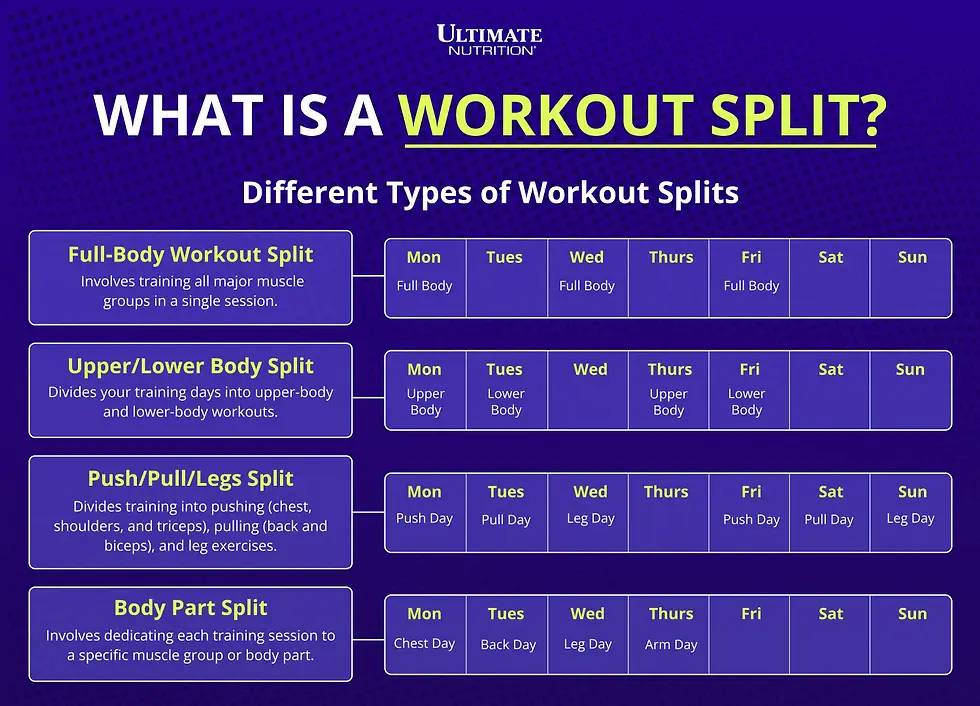
Many beginners also make the mistake of not following a structured workout program. Instead of sticking to a plan, they may do random exercises each time they visit the gym. Without a structured program, it becomes difficult to track progress or ensure that all muscle groups are being trained properly. A simple training program with a clear schedule and progression plan can help beginners stay organized and motivated while achieving better results.

Nutrition is another area where beginners often struggle. Some people train regularly but overlook the importance of proper nutrition. Fitness progress depends not only on exercise but also on fueling the body correctly. Without enough protein, carbohydrates, and healthy fats, the body may struggle to recover and build muscle. Eating balanced meals and staying hydrated can make a significant difference in overall performance and recovery.

Overtraining is another mistake that many beginners make. When motivation is high, some people try to train every day without giving their body enough time to recover. While consistency is important, rest days are equally essential. Muscles grow and repair during recovery, not during the workout itself. Mcpeake et al 2019 showed in a meta analysis that training three to five days per week with proper rest can often produce better results than training every day.
Sleep is also frequently overlooked. Many people focus on workouts and diet but ignore the importance of quality sleep. During sleep, the body repairs muscle tissue, balances hormones, and restores energy levels. Consistently getting seven to nine hours of sleep each night can greatly improve recovery and overall fitness progress.

Finally, many beginners expect quick results and become discouraged when progress takes time. Fitness is a long-term journey that requires patience and consistency. Real results often take months of dedication, not just a few weeks. By focusing on building healthy habits and staying consistent, beginners can create lasting progress and enjoy the process along the way.
Avoiding these common mistakes can make a big difference for anyone starting their fitness journey. With proper technique, balanced nutrition, adequate rest, and patience, beginners can build a strong foundation and achieve their fitness goals more effectively.


Comments